5 questions, 5 answers

Without questions, there would be no answers. We are human, and therefore we ask. However, it is important that we also get the correct answer. We have selected 5 questions with answers for you from our frequently asked questions section.


Does processed cheese supposedly leach calcium from bones? Is it true?

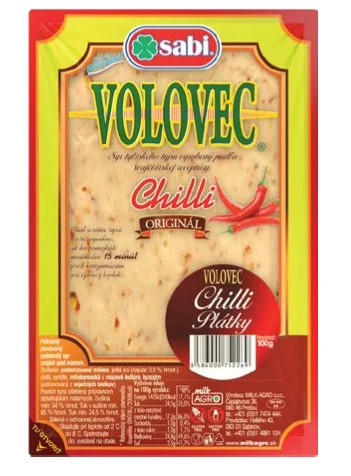
A French research team studied the issue of processed cheeses, comparing the biological availability of calcium from milk, fermented dairy products, processed cheeses, and plant-based foods. The research concluded that the highest biological availability of calcium is from milk and fermented dairy products. Regarding processed cheeses, the biological availability of calcium was slightly lower (about 5%) but still significantly higher than that of plant-based foods. It is absolutely not true that consuming processed cheese causes calcium loss from bones. We believe that no food should be overconsumed, but you can enjoy our processed cheeses VOLOVEC and SABINA from time to time without worries.


Is it true that cheap margarine is added to processed cheeses?

This is again a claim that has nothing to do with the truth. Our processed cheeses VOLOVEC and SABINA fall into the category of "dairy product," which means they can contain only basic dairy ingredients as prescribed by Slovak legislation. If any basic dairy ingredient were replaced by a non-dairy one, e.g., margarine, the product could no longer be labeled "processed cheese" but would be a so-called "food product" or imitation, where the label "cheese" would be missing. Such products are usually labeled as processed product, processed cream, processed spread, etc.


Is farm-bought curd better, or is SABI curd better?

We definitely recommend choosing SABI curd. Curd made at home or on a farm may be made from unpasteurized milk. Such curd has an increased risk of bacterial overgrowth, which can cause problems. SABI curd is produced under laboratory supervision, and the milk used is guaranteed to have been pasteurized.


How should cheese be stored properly?

The recommended ideal temperature for storing cheese is around 5 °C. We recommend placing the cheese on a wooden tray and covering it with a glass dome or wrapping it in wax paper or food film to prevent drying. Before consumption, let the cheese stand at room temperature for about half an hour to restore its typical taste and aroma.


My teeth often decay; can cheese help me?

Regular chewing of hard cheese after meals (preferably immediately after eating) protects teeth against cavities and gums against inflammation. This is due to milk proteins in cheese that neutralize acids in the mouth and help kill bacteria. Undealt acids and bacteria in the oral cavity cause tooth decay. Calcium and phosphorus strengthen tooth enamel and help keep your teeth healthy. The French also know this well, as they serve cheese at the end of a meal as dessert.


Do you have more questions? Check our frequently asked questions section, and maybe you will find the answer there.

Cook with taste and deliciously

Open recipe book
Health questions
News
Back